Swiss Alps coach crash kills several Dutch tourists
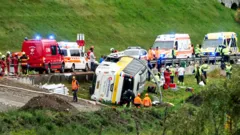
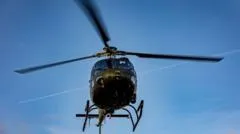
A coach carrying Dutch tourists overturned on a narrow road in the Graubünden region of the Swiss Alps late on Thursday afternoon, leaving several people dead and others injured. Rescue teams including multiple helicopters were sent to the site between Susch and Zernez. The 48 passengers had been on a day trip from Austria.
The bus overturned on a country road in south-eastern Switzerland. Local police confirmed the incident occurred on Thursday afternoon. Rescue services responded with helicopters and ground teams. Images from Swiss media show the vehicle on its side with ambulances and responders at the scene.
Who was on the coach?
All 48 passengers were Dutch nationals. The group had left the Netherlands on Monday and was travelling as part of a tour organised by OAD. A spokeswoman for the General Dutch Association of Travel Companies confirmed the passenger count but said the number of fatalities and injuries was not yet known.
Official reaction and next steps
Swiss President Guy Parmelin posted on X that he was deeply shocked and offered condolences to the victims' families. He stated that a comprehensive investigation would take place. Zernez lies at the entrance to the Swiss National Park, a large Alpine reserve in the Engadine valley.
Frequently asked questions
Where exactly did the crash occur?
The coach overturned on the road between Susch and Zernez in the Graubünden region.
How many people were on board?
Forty-eight Dutch passengers were travelling on the bus.
Has the cause been determined?
No cause has been confirmed; Swiss authorities have announced a full investigation.
Key takeaways
Coach overturned late Thursday in Graubünden, killing several people.
48 Dutch tourists were on board during a day trip from Austria.
Rescue operation involved helicopters and multiple emergency teams.
Swiss President expressed shock and pledged a comprehensive inquiry.
Marcus "MJ" Jones, as a Political Correspondent, dedicates his reporting to the complex World of politics, examining how global events shape national policies and the lives of citizens. He focuses intently on international relations, diplomatic shifts, and the political implications of transnational issues, owning the beat of how global governance frameworks interact with sovereign states within AF. His coverage ranges from immediate dispatches on unfolding international crises and policy debates to detailed explainers that break down the historical context and potential outcomes of geopolitical maneuvers, often extending to deep-dive investigations into long-term political trends and their societal impact. MJ’s process for a story typically starts with identifying a significant international development or a critical diplomatic juncture. He meticulously gathers information from official government statements, international organizational reports, and direct communications with diplomats, political analysts, and policy makers from various regions. His rigorous verification process involves cross-referencing information across multiple independent sources, including foreign media outlets and academic research, to ensure a comprehensive and balanced perspective. Readers who follow MJ’s reporting gain a sophisticated and well-rounded understanding of global political dynamics. His work provides clarity on the motivations behind international actions, the potential consequences of policy decisions, and the intricate web of relationships that define the political landscape, offering insights that are both timely and deeply informed.